Keeping an Elderly Person Safe in the Garden
A well-designed garden can greatly improve an elderly person’s quality of life, offering fresh air, gentle exercise, and a calming environment. However, safety is essential to ensure the garden remains an enjoyable space rather than a source of risk. With thoughtful planning and a few practical adaptations, a garden can be made both safe and accessible for older adults.
Reduce Trip and Fall Hazards
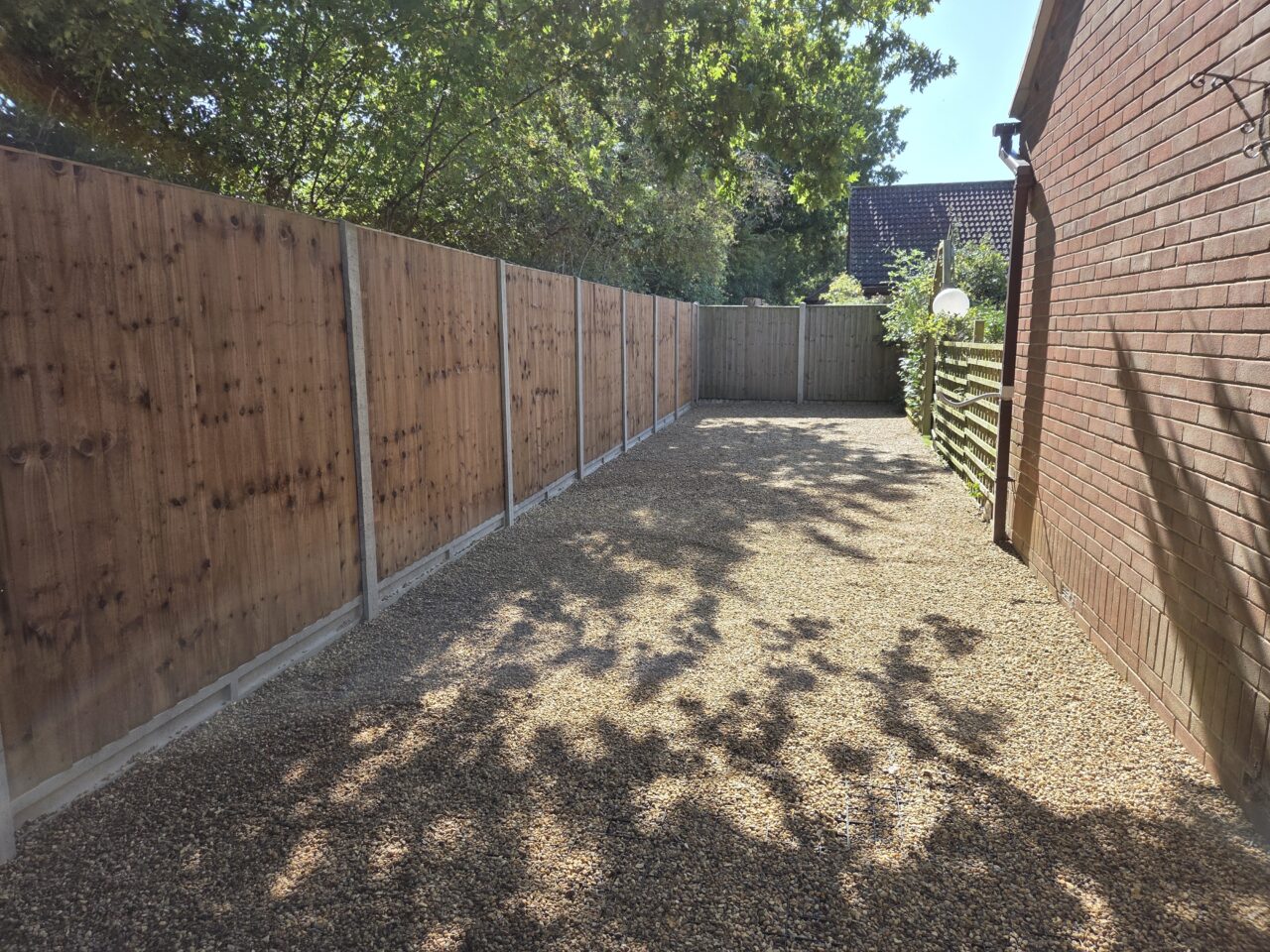
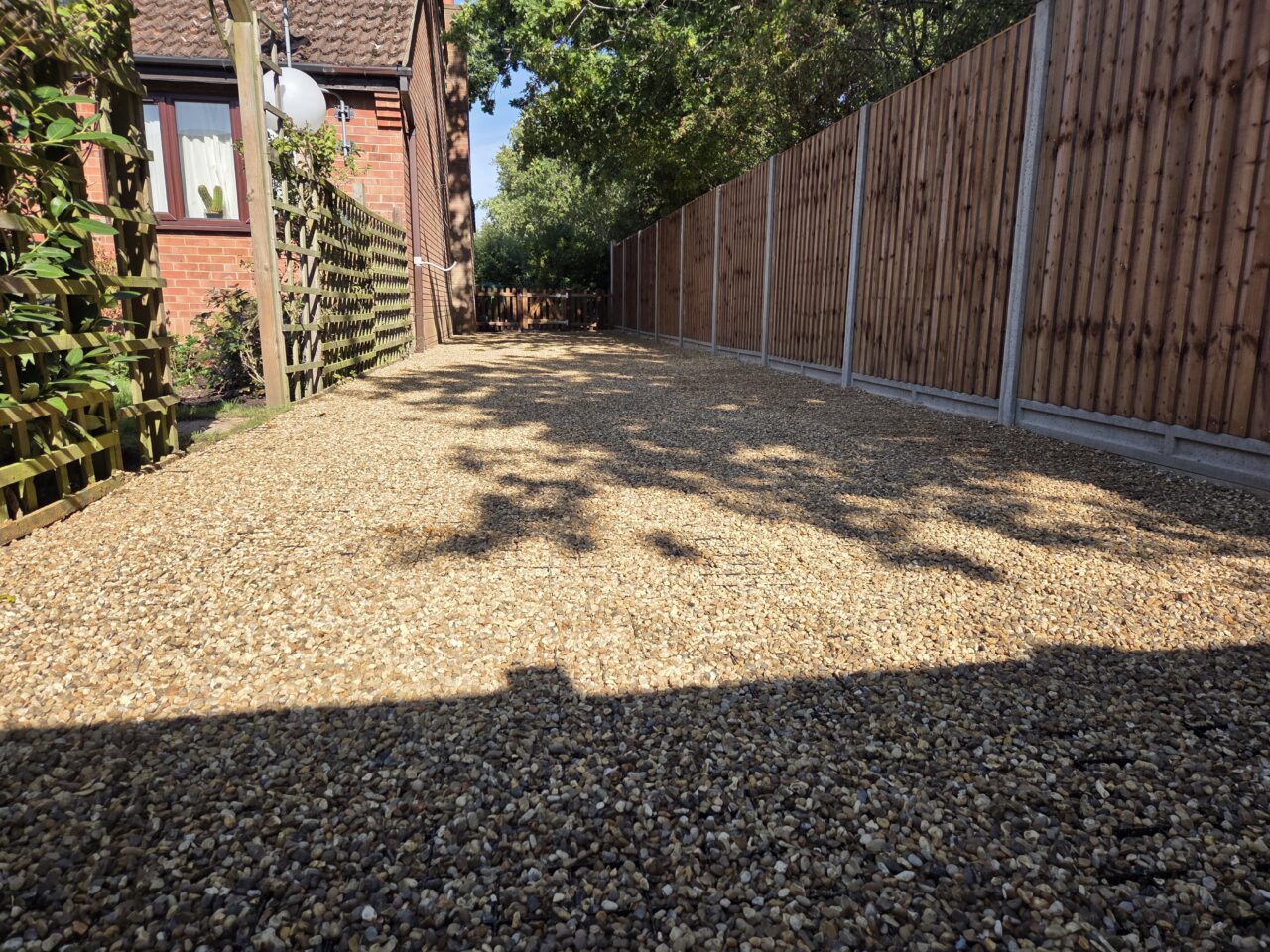
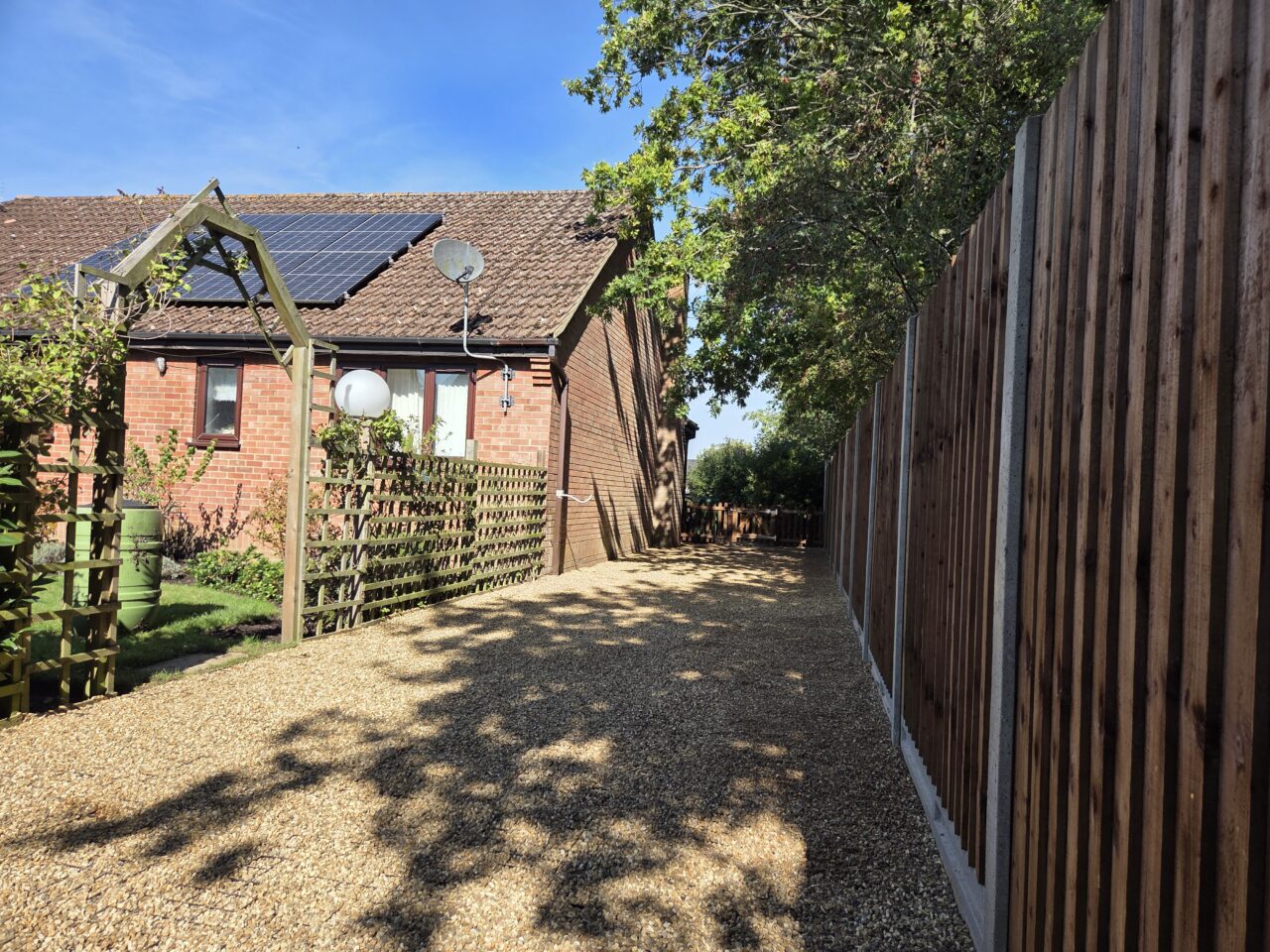
Trips and falls are one of the most common garden-related risks for elderly people. Paths, patios, and steps should be even, stable, and free from loose materials. Replacing uneven paving, installing non-slip surfaces, and clearly defining edges can significantly reduce the risk of accidents.
Regular maintenance is equally important. Clearing moss, wet leaves, and debris from walkways helps prevent slipping, particularly during wetter months.
Create Clear, Accessible Pathways
Wide, level pathways make it easier for elderly individuals to move around the garden safely, whether walking unaided, using a walking stick, or relying on a mobility aid. Gentle gradients should be used instead of steps wherever possible, and pathways should be clearly visible with contrasting edges or borders.
Installing handrails along slopes or steps can provide additional support and confidence.
Improve Lighting and Visibility
Good garden lighting plays a crucial role in safety. Well-lit pathways, entrances, and seating areas improve visibility during early evenings or low-light conditions. Solar or low-voltage lighting is an effective way to illuminate key areas without increasing energy costs.
Lighting also helps highlight changes in level, steps, or potential hazards.
Provide Safe and Comfortable Seating
Strategically placed seating allows elderly people to rest and enjoy the garden without overexertion. Benches and chairs should be sturdy, stable, and positioned on level ground. Seating with armrests and back support makes it easier to sit down and stand up safely.
Shaded areas are also important, helping to protect against sun exposure during warmer months.
Use Non-Slip and Easy-to-Maintain Surfaces
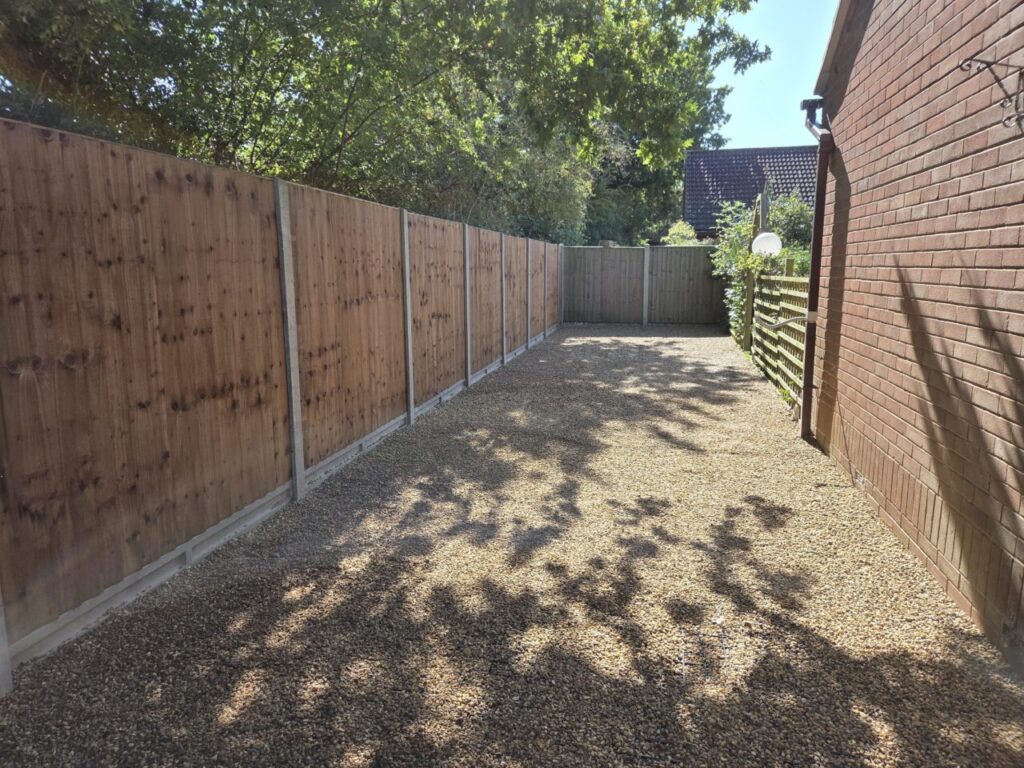
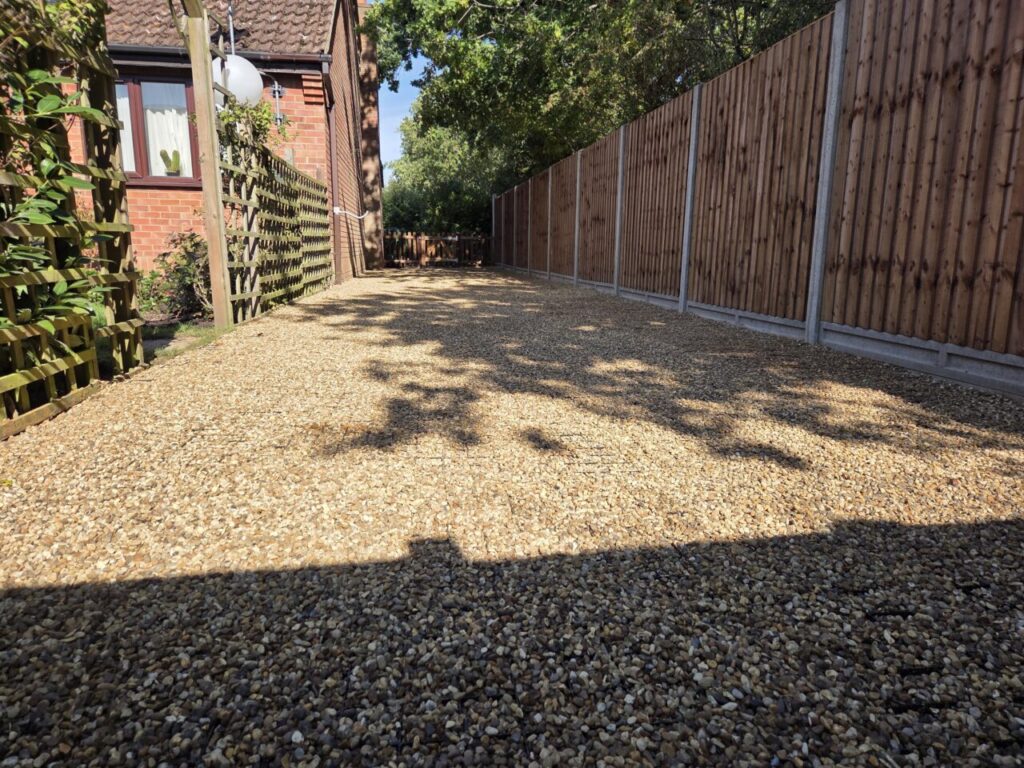
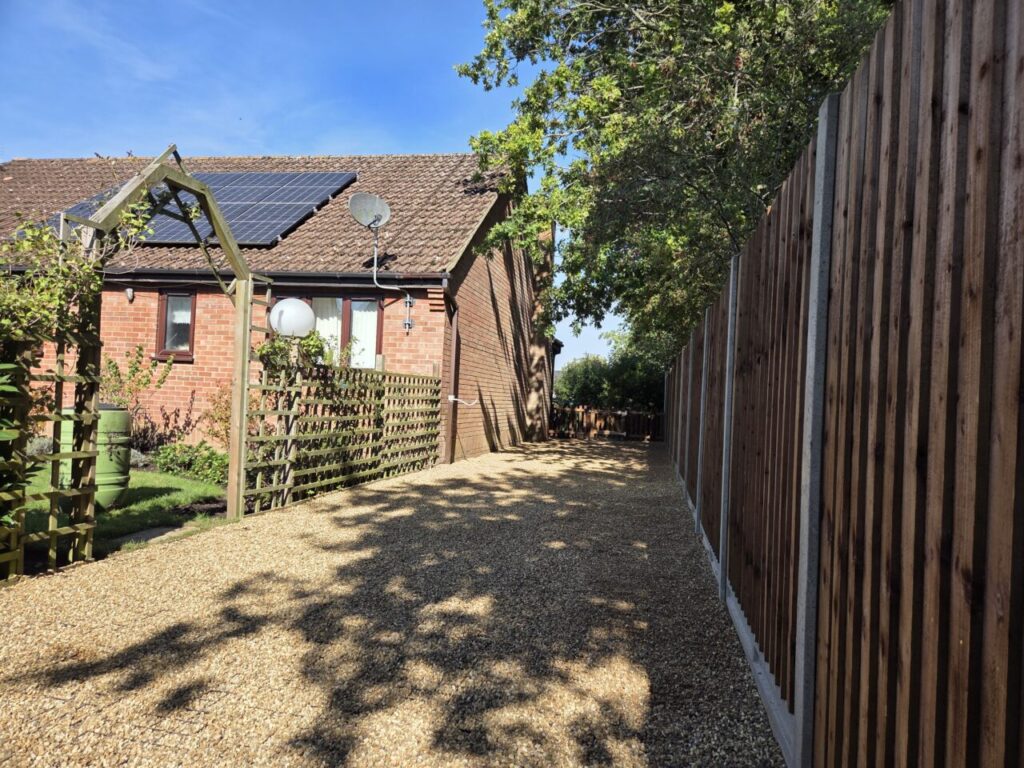
Decking, patios, and pathways should have non-slip finishes to reduce the risk of slipping, especially in wet conditions. Low-maintenance materials can help keep surfaces safe by preventing weed growth, moss build-up, and uneven wear.
Choosing durable materials also reduces the need for frequent repairs, which can introduce hazards if left unresolved.
Choose Elder-Friendly Planting
Plant selection can impact safety as well as enjoyment. Avoid plants with thorns, sharp edges, or toxic properties. Raised planters are ideal, allowing elderly gardeners to tend plants without bending or kneeling, reducing strain on joints and muscles.
Keeping planting areas tidy and well-defined helps maintain clear routes through the garden.
Install Secure Boundaries and Gates
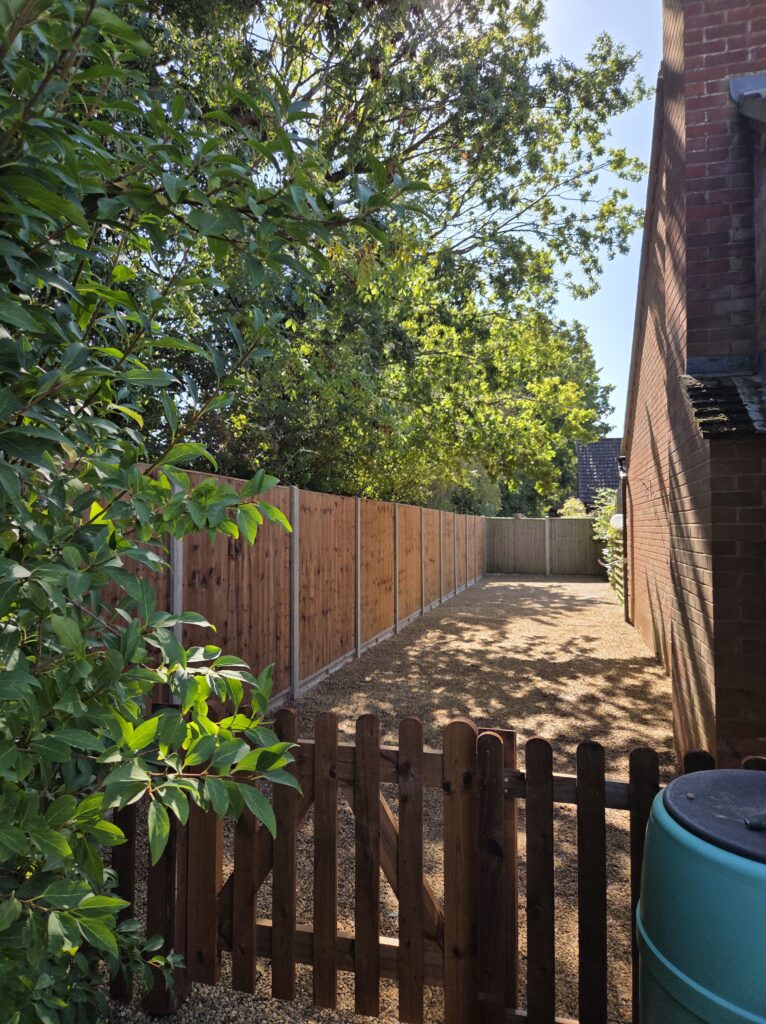
Secure fencing and self-closing gates can prevent wandering and provide peace of mind for families and carers. Gates should be easy to operate but safe, with clearly visible handles and smooth operation.
Encourage Independence and Confidence
A safe garden should support independence rather than restrict it. Simple features such as handrails, raised beds, accessible storage, and easy-to-use taps can help elderly people enjoy their garden confidently and comfortably.
A Safe Garden Is a Healthier Garden
By making small but thoughtful changes, a garden can become a safe, calming, and accessible space that supports physical wellbeing, mental health, and independence for elderly individuals.