When is the Best Time to Cut Hedges? A Complete UK Guide

A well-maintained hedge can make a huge difference to the appearance of your garden or property. Whether you have a traditional mixed hedge, privet, laurel, hawthorn or a fast-growing evergreen, regular hedge cutting helps keep it healthy, tidy and under control.

But when is the best time to cut hedges? Timing is important not only for the health and appearance of your hedge, but also for protecting nesting birds and wildlife.

For most hedges, late summer through to winter is the best time for trimming, with September onwards being a particularly useful window for routine maintenance. However, the ideal timing can vary depending on the type of hedge and the amount of work required.

If your hedge has become overgrown or difficult to manage, professional hedge trimming and reduction can be a safer and more effective option.
When is the best time to cut hedges?

For most garden hedges, the best time to carry out routine trimming is between September and February.

This is because the main nesting period for many garden birds has passed, while hedge growth is generally slowing down as autumn and winter arrive. The RSPB and RHS both recommend avoiding hedge cutting during the main nesting season, generally March to August.

For many established hedges, January and February can be particularly good months for more substantial maintenance, provided weather conditions are suitable.

If you’re looking for reliable ground maintenance in Norfolk, TGT Services can help with regular and one-off hedge maintenance, including hedge trimming and reduction.

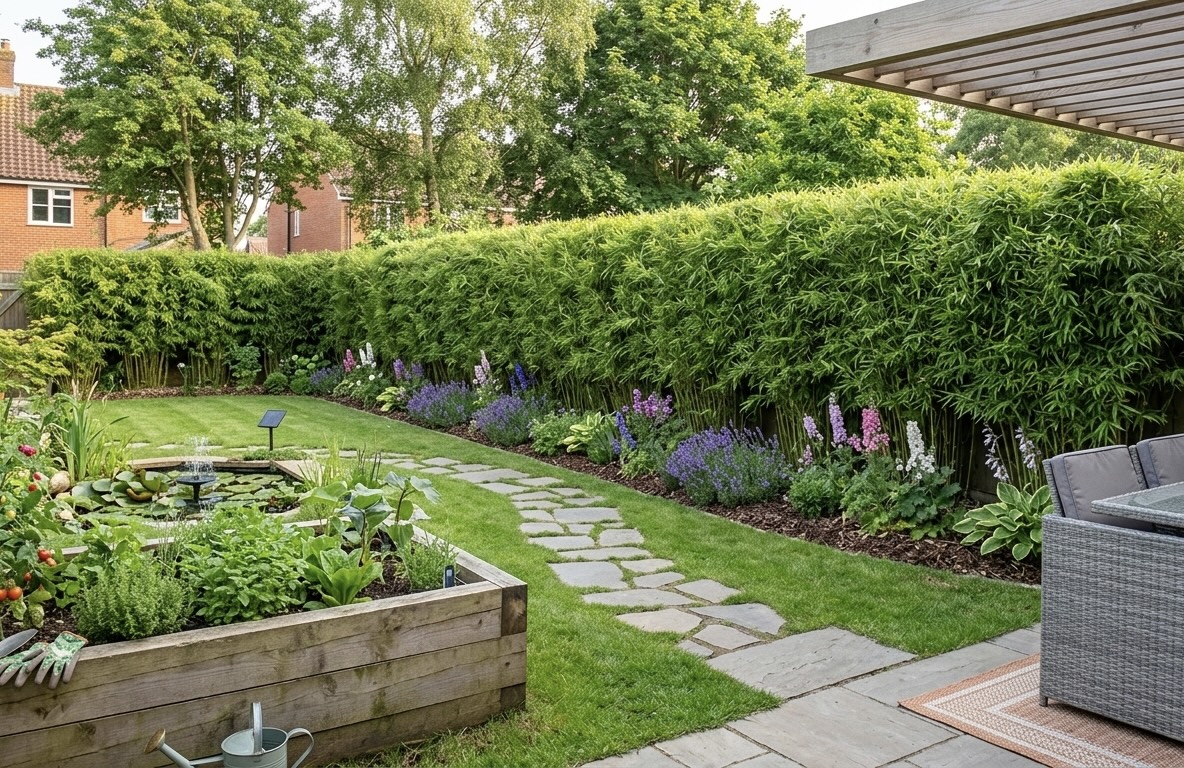
Clumping bamboo hedging

Why should you avoid cutting hedges between March and August?

One of the most important reasons to think carefully about hedge-cutting timing is nesting wildlife.

Hedges provide valuable shelter and nesting habitat for garden birds. Birds can nest surprisingly deep inside dense hedges, meaning a nest may not always be obvious from the outside.

The RSPB recommends avoiding hedge and tree cutting between March and August because this is the main breeding season for nesting birds.

There is also an important legal consideration. Birds, their eggs and active nests are protected, so you must not intentionally damage or destroy a wild bird’s nest while it is being built or in use.

For agricultural hedgerows covered by the relevant hedgerow management rules, cutting or trimming is prohibited between 1 March and 31 August.

Even where these specific agricultural rules do not apply to a domestic garden hedge, it is still essential to check carefully for nesting birds before carrying out any work.

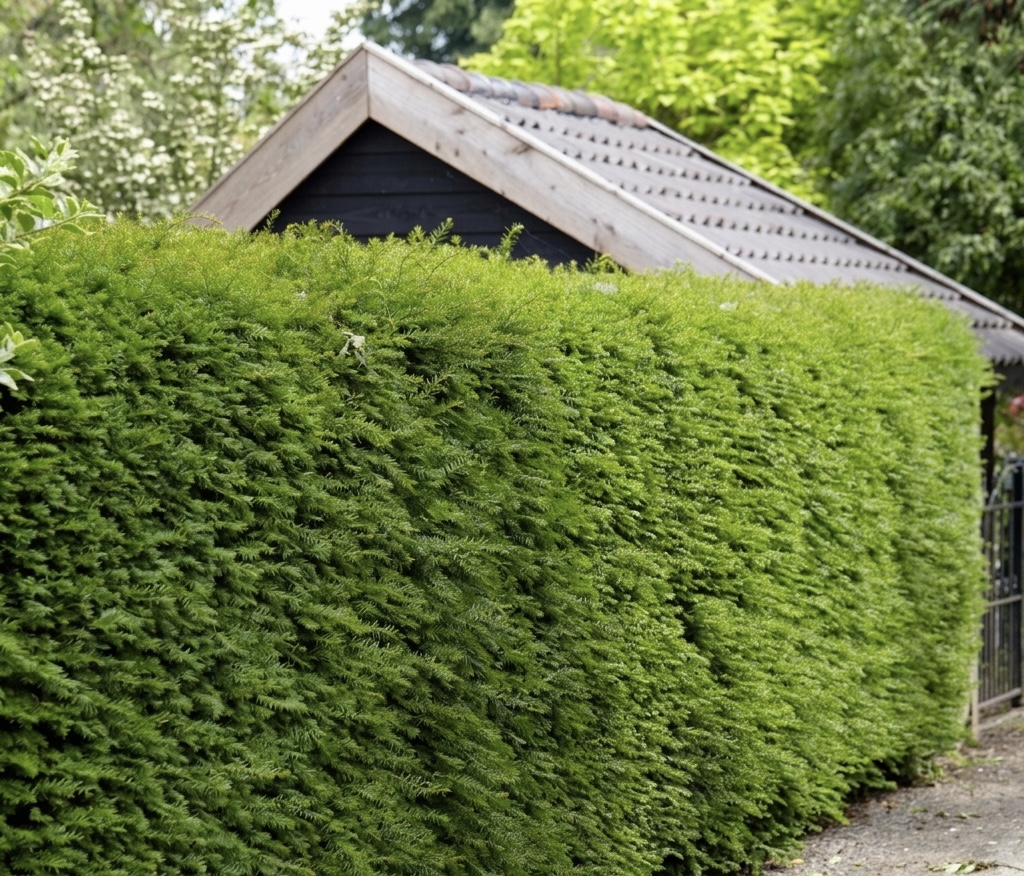
Yew hedging
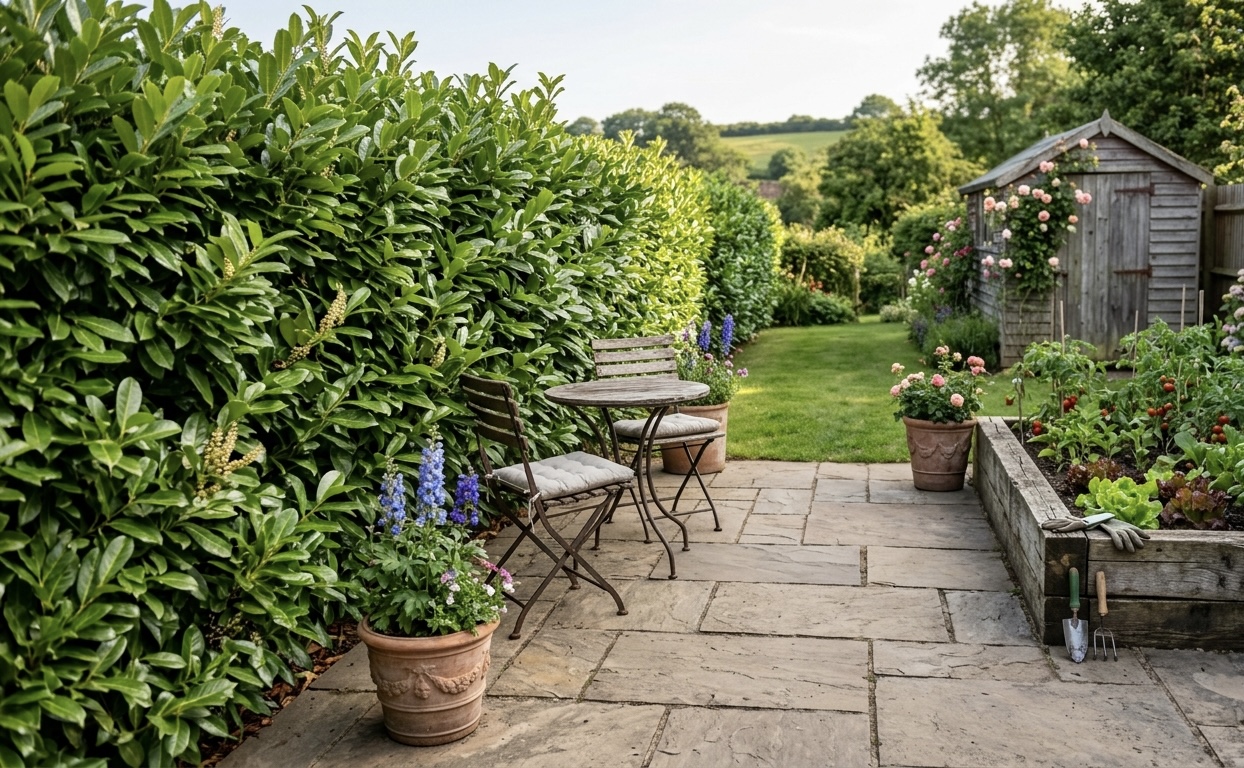
Back garden with laurel hedging

Can you cut a hedge in September?

Yes. September can be an excellent time to cut many hedges.

By late summer, the main bird nesting period is generally coming to an end, although you should always check for active nests before starting work.

September also has another advantage: many hedges have finished their strongest period of summer growth, meaning a trim can help restore a neat shape before autumn and winter.

This makes early autumn a popular time for hedge trimming, particularly for homeowners who want their gardens looking tidy going into the colder months.

What about cutting hedges in winter?

Winter is often an excellent time for hedge maintenance.

During the colder months, many plants enter a period of dormancy or significantly reduce their growth. This makes it easier to carry out structural maintenance without immediately having lots of fresh growth undoing your work.

For established hedgerows, the RSPB recommends January and February as ideal months for management, particularly where the hedge produces berries that birds can use through winter.

However, avoid cutting during periods of very cold, frosty or excessively wet weather. Conditions should be suitable for both the plant and the person carrying out the work.

Tall, neatly trimmed green hedges line a grassy path, bordered by a small tree with dark leaves under a clear blue sky, creating a serene atmosphere.

How often should you cut a hedge?

There isn’t a single answer because different hedge plants grow at different rates.

Fast-growing hedges may need trimming more frequently to maintain their shape, while slower-growing or wildlife-friendly hedges can often be left for longer.

For example:

  • Privet – usually benefits from regular trimming to maintain a neat appearance.
  • Leylandii – grows quickly and can require frequent maintenance.
  • Laurel – can grow vigorously and may need regular cutting or reduction.
  • Hawthorn – can be managed less frequently, particularly where wildlife value is important.
  • Holly – often requires less frequent maintenance and can benefit from being allowed to flower and fruit.

The RHS recommends that berry-producing hedges such as hawthorn, holly and privet can be trimmed every other year to allow flowering and fruiting in alternate years.

Rather than automatically cutting your hedge back to exactly the same point every year, consider whether it really needs such frequent or severe trimming.

Hedge Removal And Fence Installation In Dereham (4)

Hedge Trimming vs Hedge Reduction: What’s the Difference?

Hedge trimming

Hedge trimming is routine maintenance designed to keep an established hedge looking neat and controlled.

This might involve:

  • Removing new growth
  • Maintaining the existing height
  • Tidying the sides
  • Creating a consistent shape
  • Removing small sections of unwanted growth

Regular trimming is particularly useful for formal hedges where maintaining a defined shape is important.

Large Hedge Reduction In Necton (4)

Hedge reduction

Hedge reduction is more substantial.

If a hedge has become too tall, too wide or difficult to manage, simply giving it a light trim may not be enough. Reduction involves bringing the hedge down in height or width to make it more manageable.

This can be a much bigger job, particularly with tall, mature hedges.

If you’re dealing with an overgrown hedge, TGT Services provides hedge trimming and reduction as part of its ground maintenance services, with waste removed from site.

Hedge Reduction In Norwich (1)
Hedge Reduction In Norwich (3)

Why regular hedge maintenance matters

Regular hedge maintenance isn’t just about making your garden look tidy.

A well-managed hedge can:

  • Improve the appearance of your property
  • Define garden boundaries
  • Provide privacy
  • Prevent hedges becoming excessively wide or tall
  • Encourage healthy growth
  • Reduce the need for drastic future reductions
  • Help maintain access around paths, driveways and buildings

For commercial properties, regular commercial grounds maintenance can also help keep outdoor areas presentable throughout the year.

TGT Services offers both one-off and regular ground maintenance, making it possible to arrange hedge maintenance according to the needs of your property.

How to get the best results when cutting a hedge

Good hedge maintenance isn’t simply a case of cutting everything back as far as possible.

For a healthier, fuller hedge:

Don’t automatically cut back to exactly the same point every year

Government guidance notes that repeatedly cutting established hedgerows back to the same point can reduce berry production and result in poorer structure. Incremental cutting can help maintain a healthier hedge.

Avoid unnecessary hard pruning

If your hedge is healthy and manageable, regular light maintenance is often preferable to allowing it to become seriously overgrown and then requiring a drastic reduction.

Consider wildlife

A hedge is more than just a boundary. It can provide shelter, food and nesting opportunities for birds, insects and other wildlife.

Check before cutting

Always inspect the hedge for nesting birds, particularly if work is required outside the usual autumn and winter maintenance period.

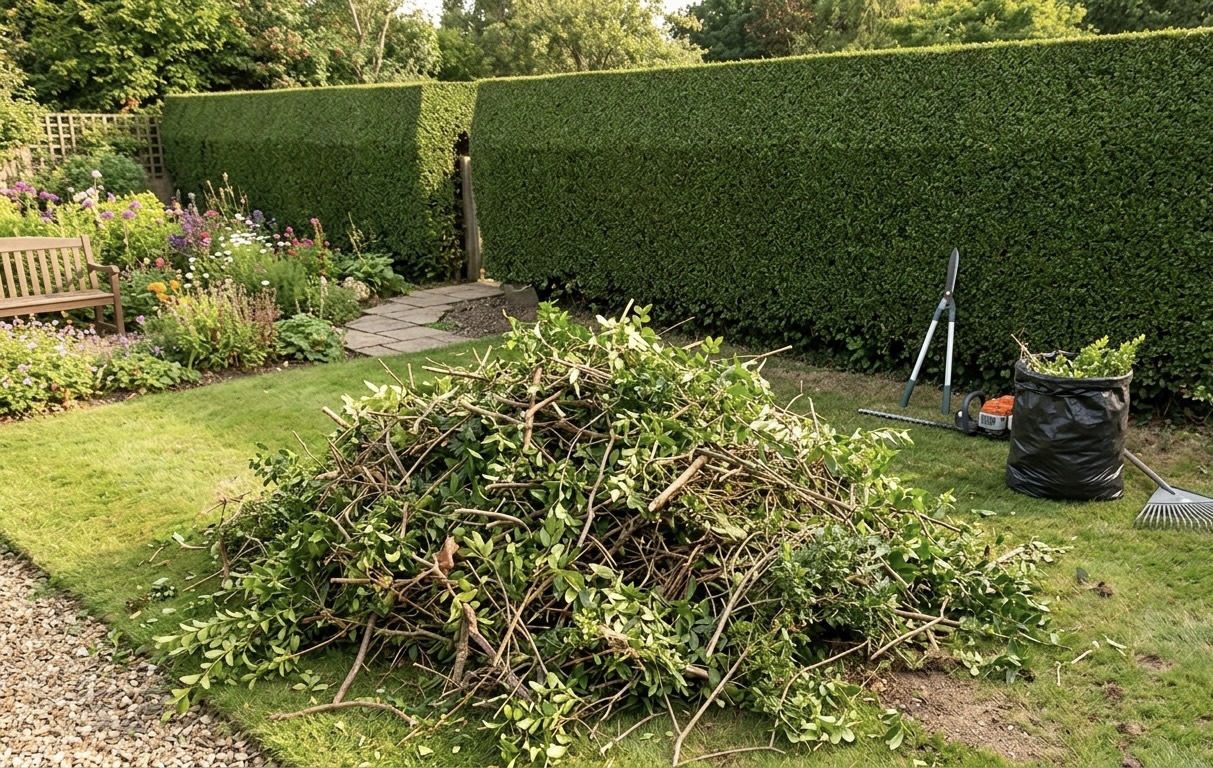
What should you do with hedge cuttings?

Hedge trimming can create a surprisingly large amount of green waste, particularly when dealing with long or overgrown hedges.

If you’re carrying out a large reduction yourself, you’ll need to consider how you will collect, transport and dispose of the cuttings.

Professional hedge-cutting services can make the process much easier by taking care of the cutting and clearing up afterwards.

TGT Services’ tree and hedge cutting service includes waste removal from site, helping to leave your garden or grounds neat and tidy once the work is complete.

hedge trimming next to freshly trimmed hedge

When should you book hedge cutting in Norfolk?

If you want your hedge trimmed at the ideal time, it is worth planning ahead rather than waiting until it becomes severely overgrown.

For most established garden hedges, September through to February provides a useful window for routine maintenance, while January and February can be particularly suitable for certain types of hedgerow management.

However, the correct approach depends on the hedge species, its size, condition and location. Get in touch with our friendly team today for any advice and questions, or for a free no obligation quote!

Professional hedge cutting in Norfolk

Keeping a hedge under control can be a time-consuming job, especially when you have a large garden, commercial grounds or an overgrown hedge that needs reducing.

TGT Services provides professional hedge trimming and reduction in Norfolk, offering both one-off and regular maintenance. Our wider ground maintenance services⁠ include tree and hedge cutting, grass cutting, lawn maintenance and site clearance, with green waste removed from site.

Whether you need a quick seasonal trim or help bringing an overgrown hedge back under control, professional hedge maintenance can keep your outdoor space looking neat, manageable and healthy.

Related articles you may find helpful

If you’re planning a complete garden improvement project, you may also enjoy reading:

Fence Repair vs Replacement – helping you decide whether repairing or replacing your fence is the most cost-effective option.

The Best Types of Garden Fencing for Privacy – discover which fencing styles work best for different homes.

Do I Need Planning Permission for a Fence? – understand the latest rules before installing new boundaries.

The Best Trees for Norfolk Gardens – browse through our suggestions for the best trees to plant in your Norfolk garden

These guides complement your garden renovation plans, and can help you make informed decisions when improving your outdoor space.